

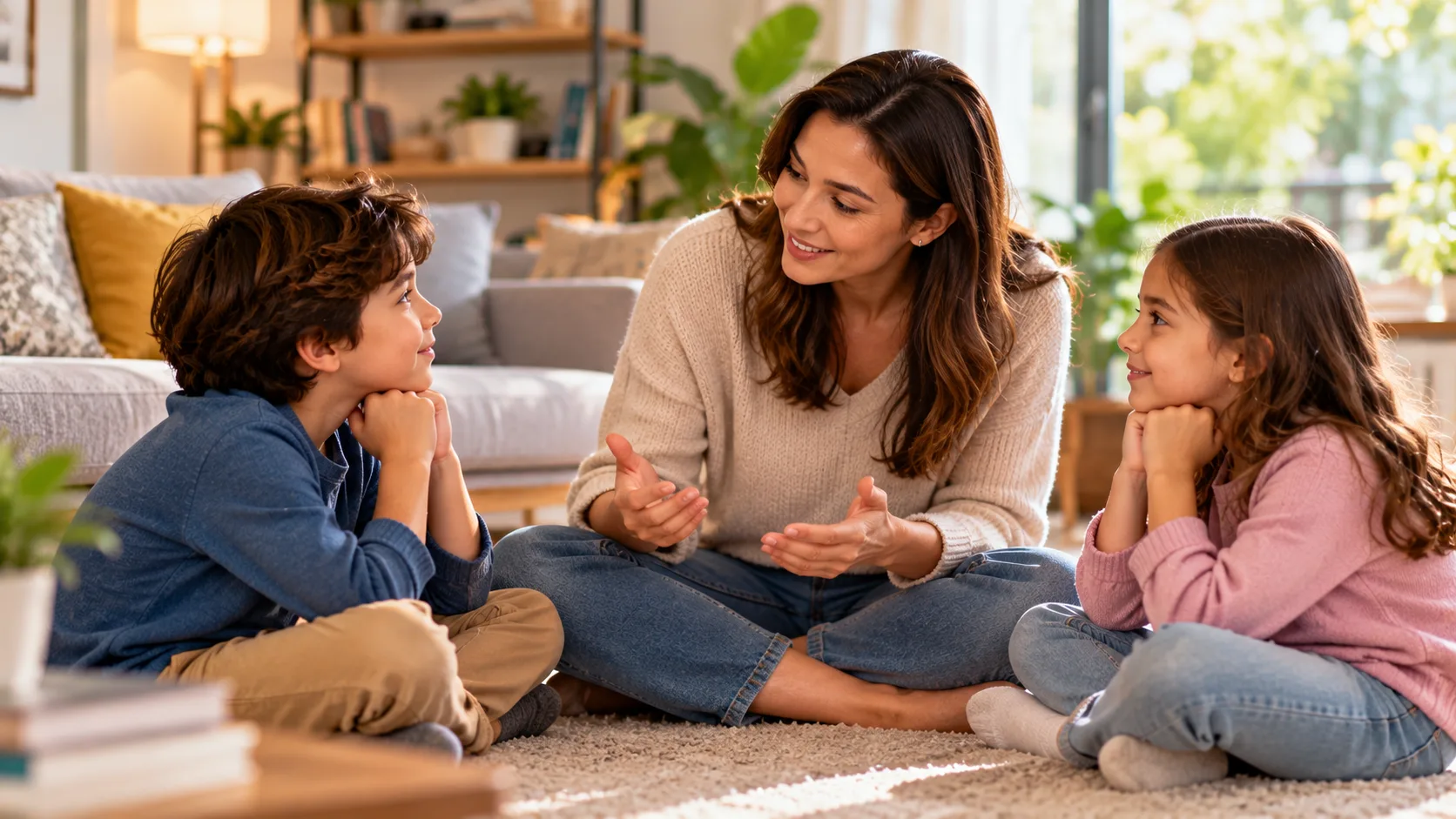
Teaching children respect is an important part of parenting because it helps them develop healthy relationships, communicate thoughtfully, and understand the feelings of others. However, many parents struggle to find the right balance between setting boundaries and avoiding overly strict discipline. The goal is not to make children follow every instruction without question but to help them understand why kindness, consideration, and responsible behavior matter.
Learning how to teach kids respect without being too strict involves patience, positive communication, consistent expectations, and everyday guidance. Children develop social skills gradually, and their understanding of respect changes as they grow. This guide explores practical parenting strategies, common challenges, and simple ways to encourage respectful behavior while maintaining a loving, supportive family environment.
1. Understand What Respect Means for Children
Respect is more than simply following instructions or using polite words during conversations. For children, it involves recognizing other people’s feelings, understanding personal boundaries, and learning how their actions affect those around them. Teaching these skills gradually helps children develop empathy and build stronger relationships with family members, teachers, and friends.
Young children may struggle to understand complex social expectations because emotional regulation and communication skills are still developing. A child who interrupts conversations or refuses a request may need guidance rather than immediate punishment. Understanding the difference between developmental behavior and intentional disrespect helps parents respond more effectively during challenging situations.
Parents can introduce respect through everyday examples that children can understand and practice. Simple behaviors such as listening when others speak, asking permission, and treating belongings carefully provide useful starting points. When children understand the purpose behind respectful actions, they are more likely to develop genuine consideration rather than behaving appropriately only to avoid consequences.
2. Model Respectful Behavior in Everyday Life
Children learn many social behaviors by observing how adults communicate and interact with others. Parents who demonstrate patience, kindness, and thoughtful communication provide practical examples of respectful behavior. Everyday interactions become valuable learning opportunities because children often imitate the words, attitudes, and responses they see at home.
For example, parents can demonstrate respect by listening when children speak, thanking family members, and apologizing after making mistakes. Speaking politely to service workers, relatives, and neighbors also reinforces the importance of treating people with consideration. These actions show children that respect applies to everyone rather than only to adults or authority figures.
Modeling respect does not mean parents must behave perfectly in every situation. Everyone occasionally becomes frustrated or communicates poorly, and these moments can provide opportunities to demonstrate accountability. A parent who acknowledges a mistake and makes an effort to improve teaches children that respectful relationships involve learning, responsibility, and mutual understanding.
3. Set Clear Boundaries Without Being Overly Strict
Healthy boundaries help children understand acceptable behavior while providing a sense of predictability and security. Setting limits does not require harsh rules, constant criticism, or excessive control over everyday choices. Instead, parents can establish reasonable expectations that protect safety, support family routines, and encourage consideration for others.
For example, parents might explain that family members should speak without insulting one another, respect personal belongings, and follow agreed-upon household routines. Clear explanations help children understand the purpose behind each expectation. When boundaries are appropriate for a child’s age and consistently communicated, they become easier to understand and follow.
Parents should also allow flexibility when circumstances change or children demonstrate growing responsibility. Some situations require firm limits, particularly those involving safety, while others provide opportunities for discussion and compromise. Balancing consistency with understanding helps children recognize that boundaries are intended to guide behavior rather than control every decision.
4. Use Positive Communication Instead of Harsh Commands
The way parents communicate expectations can strongly influence how children respond to guidance. Harsh commands, repeated criticism, and threatening language may increase frustration or resistance. Calm, direct communication provides a more constructive approach by helping children understand what is expected without feeling unnecessarily intimidated.
Instead of saying that a child is always rude, parents can explain the specific behavior that needs improvement. For example, saying, “Please wait until I finish speaking, and then I will listen,” provides a clear instruction. This approach addresses the situation without labeling the child’s personality or suggesting that mistakes define their character.
Positive communication also involves using age-appropriate language and allowing children time to process instructions. Younger children may benefit from shorter explanations, while older children can participate in more detailed conversations. Speaking respectfully during difficult moments reinforces the behavior parents want children to develop in their own interactions.
5. Teach Children to Understand Other People’s Feelings
Empathy is an important foundation of respectful behavior because it helps children recognize that other people have their own feelings and needs. Children gradually learn to understand perspectives beyond their immediate experiences. Parents can support this development through conversations, stories, and everyday situations that encourage emotional awareness.
For example, when siblings disagree over a toy, parents can help each child explain how the situation feels. Asking questions such as “How do you think your sister felt?” encourages perspective-taking without immediately assigning blame. These discussions help children understand the relationship between their actions and the emotional experiences of others.
Books, family conversations, and imaginative activities can also provide useful opportunities to discuss empathy. Parents might talk about how story characters respond to disappointment, friendship, or misunderstandings. Over time, repeated conversations can help children recognize emotional signals and respond with greater kindness and consideration.
6. Listen to Your Child and Respect Their Opinions
Teaching respect becomes more effective when children experience respectful treatment in their own relationships. Listening carefully to children’s thoughts and concerns demonstrates that their feelings and perspectives matter. This does not mean agreeing with every request, but it involves providing opportunities for children to express themselves without unnecessary dismissal.
Parents can encourage open communication by asking thoughtful questions and giving children time to explain their experiences. For example, a child who refuses a household task may be feeling overwhelmed, tired, or confused about expectations. Understanding the underlying concern can help parents provide appropriate guidance while maintaining necessary responsibilities.
Children also benefit from learning that disagreement can happen without disrespect. Parents can acknowledge different opinions while explaining that family decisions sometimes require adult judgment. This balanced approach supports independent thinking and teaches children that respectful communication does not require everyone to share identical views.
7. Encourage Good Manners Through Daily Practice
Good manners provide practical ways for children to demonstrate consideration during everyday interactions. Simple habits such as saying please, expressing gratitude, and greeting others politely can support positive social relationships. However, manners should be taught as meaningful communication skills rather than empty expressions that children repeat without understanding.
Parents can introduce polite behavior naturally during meals, conversations, and family activities. For example, thanking someone for helping with a task demonstrates appreciation, while asking before borrowing an item reinforces respect for belongings. Practicing these behaviors consistently helps children become familiar with expectations in different social settings.
It is important to recognize that respectful behavior can look different across families, cultures, and individual communication styles. Some children may need additional time or support to develop particular social habits. Focusing on kindness and consideration rather than perfect etiquette creates a more welcoming environment for learning.
8. Handle Disrespectful Behavior Calmly and Constructively
Disrespectful behavior can be challenging, especially when children respond with frustration, interrupt repeatedly, or speak unkindly. However, reacting with anger often makes difficult situations more emotionally intense. A calm response helps parents address the behavior while demonstrating the emotional regulation they want children to develop.
When a child uses hurtful language, parents can explain why those words are inappropriate and encourage a different way of expressing frustration. For example, they might say, “It is okay to feel angry, but we do not insult people.” This response acknowledges the emotion while maintaining a clear boundary around behavior.
If emotions are running high, taking a short break before continuing the conversation can be helpful. Once everyone is calmer, parents can discuss what happened and explore better ways to respond next time. Constructive guidance helps children understand mistakes without making them feel that they are inherently disrespectful.
9. Use Natural and Logical Consequences Instead of Harsh Punishments
Consequences can help children understand responsibility when they are reasonable, predictable, and connected to their behavior. Natural consequences occur without adult intervention, while logical consequences are established by parents to address specific situations. Both approaches should prioritize learning and safety rather than embarrassment, fear, or unnecessary discomfort.
For example, if a child spills materials while playing, helping clean the area provides an opportunity to practice responsibility. If toys are being used in an unsafe way, temporarily pausing the activity until everyone can participate safely may be appropriate. These responses connect actions with outcomes while giving children opportunities to improve.
Consequences should always consider the child’s age, understanding, and emotional needs. Parents should avoid physical punishment, humiliation, or withholding basic necessities because these approaches can harm trust and well-being. A supportive response that includes explanation and opportunities to repair mistakes is more consistent with teaching lasting respectful behavior.
10. Praise Respectful Actions and Positive Effort
Positive reinforcement can encourage children to repeat behaviors that support healthy relationships and cooperation. Recognizing respectful actions helps children understand which choices are helpful and why they matter. Praise is especially useful when it focuses on specific behaviors rather than making broad judgments about a child’s personality.
For example, parents might say, “I appreciated how you waited while your brother finished speaking.” This statement identifies a positive action and explains its value. Acknowledging efforts to share, cooperate, or communicate calmly can also encourage children who are still developing these social skills.
Praise should remain genuine and balanced rather than becoming a reward for every small action. Children also need opportunities to make thoughtful choices because they understand their importance, not simply because they expect approval. Recognizing effort while allowing independence helps support motivation and a developing sense of responsibility.
11. Teach Respect for Personal Space and Boundaries
Respect includes understanding that people have different preferences about physical space, privacy, and personal belongings. Children benefit from learning that everyone has the right to express reasonable boundaries, including themselves. These lessons support healthy relationships and encourage consideration for individual comfort and autonomy.
Parents can teach personal boundaries through everyday situations, such as asking permission before borrowing belongings or respecting someone’s request for quiet time. Children should also understand that they can politely decline unwanted physical affection. Encouraging appropriate alternatives, such as waving or offering a verbal greeting, helps maintain politeness without forcing physical contact.
It is equally important for adults to respect children’s reasonable boundaries whenever possible. Asking before entering private spaces and listening when children express discomfort demonstrates mutual respect. These experiences teach that personal boundaries are not privileges reserved only for adults but important parts of healthy relationships.
12. Help Children Manage Anger and Difficult Emotions
Children may behave disrespectfully when they feel overwhelmed, disappointed, embarrassed, or frustrated. Emotional regulation develops gradually, and younger children often require help understanding and managing strong feelings. Teaching emotional skills can reduce unnecessary conflict while giving children healthier ways to communicate their needs.
Parents can help children recognize emotions by naming feelings and discussing situations that trigger frustration. Simple strategies such as taking a brief break, using calming breaths, or asking for help may support emotional regulation. The appropriate approach depends on the child’s age, preferences, and ability to understand different coping strategies.
Parents should also explain that having strong emotions is normal, but certain behaviors can hurt others. A child can feel angry without using insults or damaging belongings. Providing consistent guidance helps children understand that respect involves managing actions while accepting that difficult feelings are a natural part of life.
13. Give Children Age-Appropriate Choices and Responsibilities
Allowing children to make suitable decisions helps them develop independence, confidence, and a sense of responsibility. When parents control every small choice, children may have fewer opportunities to practice judgment. Offering reasonable options encourages cooperation while preserving important family boundaries and safety expectations.
Younger children might choose between two suitable outfits or decide which book to read before bedtime. Older children can participate in planning homework routines, household tasks, or family activities. These choices demonstrate that their opinions matter while helping them understand how decisions affect personal responsibilities and other people.
Household responsibilities also provide opportunities to practice consideration and teamwork. Children can help with manageable activities such as organizing toys, setting the table, or caring for shared spaces. Responsibilities should remain appropriate for their developmental stage and should not interfere with rest, education, or normal childhood activities.
14. Avoid Common Parenting Mistakes When Teaching Respect
One common mistake is expecting children to demonstrate adult-level emotional control and communication skills. Children are still learning how to manage frustration, understand social expectations, and express disagreement appropriately. Setting unrealistic standards may create repeated conflict without helping children develop the abilities they actually need.
Another mistake is confusing respect with unquestioning obedience. Children should learn to listen and cooperate, but they also need opportunities to ask questions, communicate discomfort, and express reasonable disagreements. Encouraging respectful discussion helps children develop confidence while understanding that family relationships involve responsibilities and mutual consideration.
Inconsistent rules can also make it difficult for children to understand expectations. If a behavior is accepted one day but harshly criticized the next, children may become confused about appropriate responses. Clear communication, consistent boundaries, and reasonable flexibility provide a more effective foundation for teaching respect over time.
15. Build a Family Environment Based on Mutual Respect
Teaching respect becomes easier when the entire family participates in creating a supportive home environment. Children benefit from consistent examples of kindness, cooperation, and thoughtful communication between family members. A respectful family culture encourages everyone to consider how their words and actions affect the people around them.
Families can establish shared expectations about listening, personal boundaries, conflict resolution, and household responsibilities. Regular conversations allow children to participate in discussing what makes the home feel comfortable and welcoming. These discussions also give parents opportunities to explain important decisions while encouraging age-appropriate input from children.
Building mutual respect requires patience because disagreements and mistakes are normal parts of family life. Parents can demonstrate healthy problem-solving by acknowledging concerns, setting limits calmly, and repairing relationships after conflict. Over time, these everyday experiences help children understand respect as a meaningful relationship skill rather than simply a set of rules.
Conclusion
Teaching kids respect without being too strict requires a balance of clear expectations, positive communication, and supportive parenting. Children learn respectful behavior through everyday experiences, especially when adults demonstrate kindness, patience, and consideration. By focusing on understanding rather than fear, parents can help children develop meaningful social skills while maintaining healthy family boundaries.
Practical strategies such as modeling respectful communication, encouraging empathy, recognizing positive behavior, and providing age-appropriate responsibilities can support this process. Children also benefit from opportunities to express their feelings, make suitable choices, and learn from mistakes. Consistent guidance helps them understand why respect matters in relationships with family members, friends, and other people.
Developing respectful behavior takes time, and every child progresses at their own pace. Parents do not need to be perfect or enforce excessively strict rules to provide effective guidance. With patience, reasonable boundaries, and mutual understanding, families can create a supportive environment where children gradually develop respect, responsibility, and healthy communication habits.
Frequently Asked Questions (FAQs)
How do you teach a child respect without being strict?
Teach respect by modeling polite behavior, listening to your child, setting reasonable boundaries, and explaining expectations calmly. Consistent guidance and positive reinforcement help children understand respectful behavior without relying on fear or harsh discipline.
At what age should children start learning respect?
Children can begin learning basic respectful behaviors during early childhood through everyday interactions. Expectations should match their developmental abilities, with more complex skills such as empathy, cooperation, and conflict resolution developing gradually.
What should parents do when a child talks back?
Remain calm, listen to the child’s concerns, and explain how to express disagreement respectfully. Address hurtful language without criticizing the child’s character, and discuss more constructive communication after emotions have settled.
Can you discipline children without punishment?
Yes, parents can guide behavior through clear boundaries, positive reinforcement, problem-solving, and age-appropriate logical consequences. These strategies focus on helping children understand responsibility and develop better choices rather than creating fear.
Why is mutual respect important in parenting?
Mutual respect helps children feel heard, valued, and supported while learning to consider other people’s feelings. It encourages open communication, strengthens family relationships, and provides a foundation for healthy social interactions.


[…] How to Teach Kids Respect Without Being Too Strict […]