

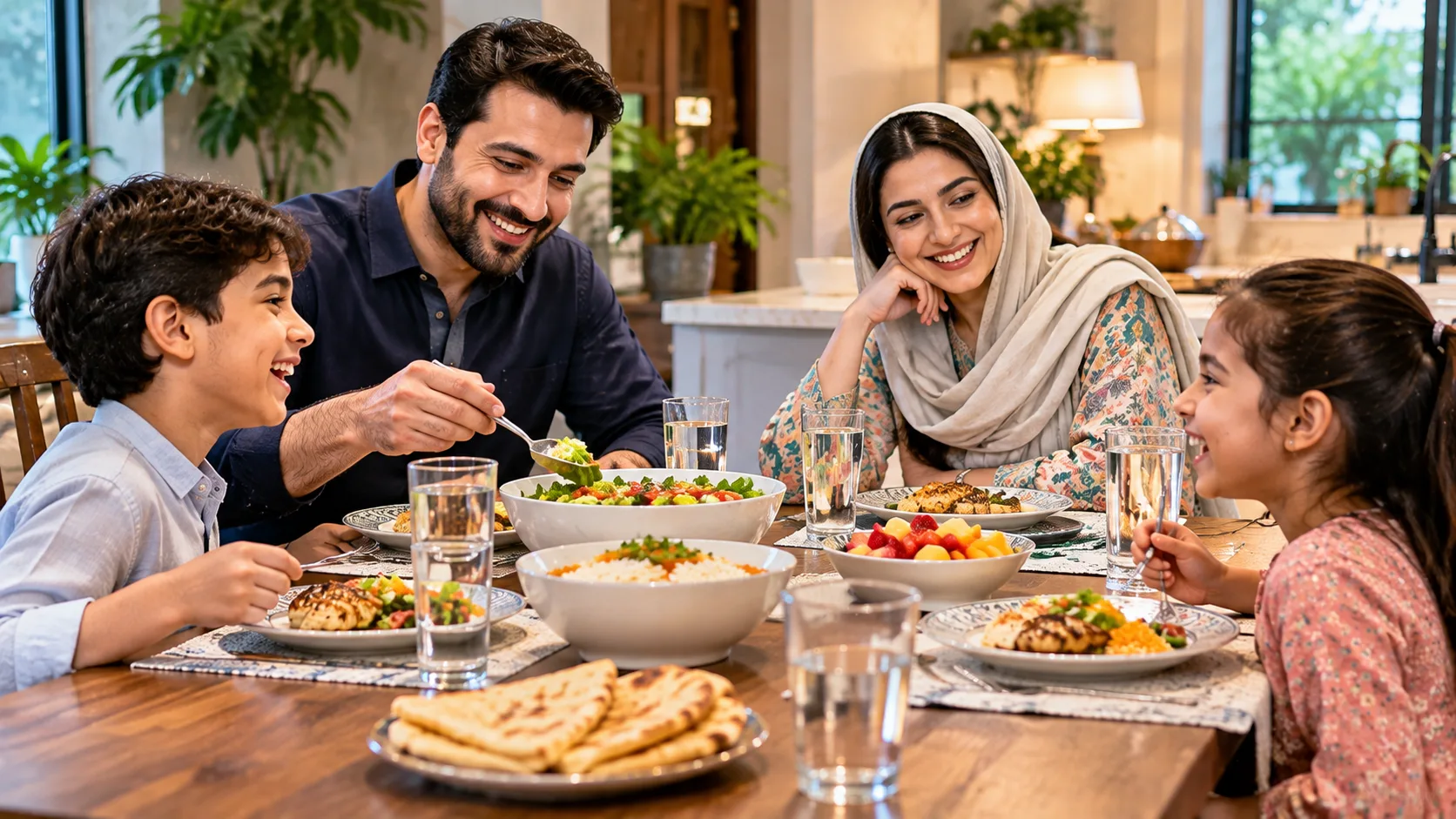
Family mealtimes are more than opportunities to eat breakfast, lunch, or dinner together. They provide valuable moments for conversation, connection, and sharing everyday experiences. In busy households, finding time to sit together can sometimes feel difficult because of school, work, and other responsibilities. However, even simple shared meals can help family members feel more connected.
Learning how to make family mealtimes more meaningful does not require expensive meals, complicated traditions, or perfect schedules. Small changes, such as putting away phones, encouraging friendly conversations, and involving everyone in meal preparation, can create a welcoming atmosphere. The goal is to make shared meals comfortable, enjoyable, and inclusive.
This guide explains practical ways to improve family mealtimes, strengthen communication, and develop positive dining traditions. You will discover ideas for encouraging children to participate, reducing distractions, and making meals enjoyable for different age groups. Whether your family eats together daily or only occasionally, these tips can help create memorable moments around the table.
Why Family Mealtimes Matter
Family mealtimes provide opportunities for household members to connect without the interruptions of everyday activities. Sitting together creates space to discuss school, work, interests, and recent experiences. These conversations can help family members understand one another better. Even a short shared meal may become a meaningful part of the day.
Regular meals can also provide children with opportunities to practice communication and social skills. They can learn to listen, take turns speaking, and express their opinions respectfully. Adults can model these behaviors through everyday conversations. However, positive experiences matter more than following a strict family dining schedule.
Shared meals can also support predictable household routines. Knowing that family members will spend time together may create a sense of consistency. These moments offer opportunities to celebrate achievements and discuss everyday challenges. The most meaningful meals are often those where everyone feels comfortable, included, and appreciated.
Create a Comfortable Family Dining Environment
A welcoming dining environment can make family meals more enjoyable. The space does not need expensive furniture or elaborate decorations to feel comfortable. Simple arrangements, adequate lighting, and enough seating can help everyone relax. Keeping the dining area reasonably organized may also reduce distractions during meals.
Consider arranging seating so family members can communicate easily. Place frequently needed items within reach to avoid unnecessary interruptions. Comfortable seating is especially useful when meals include longer conversations. Small adjustments can make the dining space feel more inviting without requiring major changes.
Personal touches can also create a pleasant atmosphere. A simple tablecloth, fresh flowers, or familiar family decorations may make the area feel welcoming. However, presentation should not become another source of pressure. A comfortable environment is one where people can enjoy their food and conversation without worrying about everything looking perfect.
Establish a Flexible Family Meal Routine
Creating a family meal routine can make shared time easier to maintain. However, busy schedules mean that eating together every evening may not always be realistic. Some households find breakfast more convenient, while others prefer weekend dinners. Choosing a manageable routine helps make family meals enjoyable rather than stressful.
Start by identifying times when several family members are usually available. You might plan a shared dinner on selected weekdays or a relaxed breakfast during the weekend. Consistency can help everyone understand when family time is likely to happen. However, occasional changes should not make anyone feel that the routine has failed.
Flexibility is particularly important for households with different school, work, or activity schedules. A meaningful meal does not need to involve every family member every time. Smaller shared meals can still provide valuable opportunities for connection. The goal is to create regular moments of togetherness without adding unnecessary pressure.
Reduce Screen Time During Family Meals
Phones, televisions, and other electronic devices can interrupt conversations during meals. Notifications and entertainment may draw attention away from people sitting nearby. Creating a screen-free dining routine can help family members focus on one another. However, the approach should be respectful and practical for everyone’s needs.
Families can agree on simple expectations, such as placing phones away from the table during shared meals. Adults should follow the same guidelines they encourage children to practice. This helps create a fair environment rather than rules that apply only to younger family members. Exceptions may be necessary for urgent communication or accessibility needs.
Screen-free meals can create more opportunities for natural conversation. People may become more aware of one another’s experiences and interests. However, some families enjoy occasional movie dinners or other shared activities involving screens. The important factor is making intentional choices that support connection rather than allowing distractions to dominate every meal.
Encourage Meaningful Family Conversations
Conversation is one of the simplest ways to make family mealtimes more meaningful. Instead of discussing only responsibilities or unfinished tasks, ask questions about interests, enjoyable moments, and new experiences. Open-ended questions encourage more thoughtful answers. They also give family members opportunities to share information at their own pace.
For example, ask everyone about something interesting they learned or enjoyed during the day. Another question might focus on a favorite memory or an activity they would like to try. These topics can create relaxed discussions. Avoid turning every meal into a serious conversation about performance, grades, or household problems.
Listening is just as important as asking questions. Allow people to finish speaking without unnecessary interruptions or immediate judgment. Family members may have different personalities, and some may prefer listening before contributing. Creating space for different communication styles helps everyone feel included and respected.
Involve Children in Meal Preparation
Involving children in suitable meal preparation activities can make family dining more engaging. Younger children may enjoy washing vegetables, arranging napkins, or choosing between simple meal options. Older children can participate in age-appropriate cooking tasks with appropriate supervision. These activities create opportunities for learning and cooperation.
Meal preparation can also introduce practical life skills. Children may learn about measuring ingredients, organizing tasks, and following simple instructions. Working together provides natural moments for conversation outside the dining table. However, responsibilities should match each child’s abilities, and potentially hazardous kitchen tasks require suitable adult supervision.
Participation should remain enjoyable rather than become an overwhelming obligation. Some children may prefer setting the table or helping with cleanup instead of cooking. Giving them manageable choices can increase their sense of involvement. When everyone contributes in a comfortable way, family meals may feel more like a shared experience.
Make Family Meals a Team Activity
Family mealtimes can become more meaningful when household members share responsibilities. Planning, preparing, serving, and cleaning up are all parts of the experience. Dividing these activities fairly can reduce pressure on one person. It also helps family members recognize the effort involved in maintaining everyday household routines.
Responsibilities should reflect age, ability, availability, and personal circumstances. One person might prepare ingredients while another arranges plates or fills water glasses. Someone else may help organize cleanup afterward. Clear expectations make cooperation easier and reduce confusion about who should complete particular tasks.
Working together can also create opportunities for communication and appreciation. A simple thank-you for preparing food or cleaning the table can make contributions feel recognized. Families do not need perfectly equal tasks at every meal. The goal is to develop a cooperative environment where everyone feels their efforts matter.
Start Simple Family Mealtime Traditions
Family traditions can transform ordinary meals into experiences people look forward to. These traditions do not need to be complicated or expensive. A weekly favorite dinner, weekend breakfast, or special seasonal recipe may become meaningful over time. Repetition helps create familiar moments and shared memories.
Some families enjoy selecting a meal theme for a particular day. Others invite different family members to choose a dish or conversation topic. You might also introduce a tradition of sharing something enjoyable that happened during the week. These activities can encourage participation without requiring extensive preparation.
Traditions should remain flexible as family schedules and interests change. A routine that works well for younger children may need adjustments as they grow. Family members can suggest new ideas or retire activities they no longer enjoy. Meaningful traditions develop through shared participation rather than strict expectations.
Practice Gratitude and Appreciation at the Table
Expressing appreciation can help create a positive atmosphere during family meals. Simple comments about someone’s effort, kindness, or helpfulness can make everyday contributions feel valued. Gratitude does not require formal speeches or complicated activities. Small acknowledgments often feel more natural and meaningful.
Families may choose to share something they appreciated during the day. This could involve a kind gesture, an enjoyable activity, or help received from another person. However, participation should remain optional because not everyone feels comfortable speaking on demand. A relaxed approach helps prevent the activity from becoming another obligation.
Showing appreciation also includes respecting the person who prepared the meal. Family members can recognize the time and effort involved without requiring everyone to praise every dish. Helpful feedback should remain considerate. A culture of appreciation grows through consistent everyday behavior, not only through special conversations.
Make Mealtimes Enjoyable for Young Children
Young children often benefit from predictable routines and welcoming dining environments. Their attention spans, food preferences, and communication abilities may differ from those of older family members. Keeping expectations age-appropriate can make meals more comfortable. Adults should focus on creating positive interactions rather than demanding perfect table behavior.
Simple conversation games can help younger children participate. Asking about favorite animals, colors, stories, or enjoyable activities may encourage communication. Children can also help with small tasks before or after eating. These activities provide opportunities for learning without turning meals into formal lessons.
Avoid creating unnecessary pressure around how much a child eats. Appetite can vary, and forcing food may contribute to negative mealtime experiences. Caregivers can provide suitable food choices and allow children to respond to their hunger and fullness cues. For persistent feeding concerns, professional guidance may be helpful.
Include Teenagers in Family Mealtimes
Teenagers often have busy schedules involving school, friendships, hobbies, and personal interests. Their desire for independence can make shared family routines more challenging to organize. However, family meals can still provide meaningful opportunities for connection. Flexibility and respect are particularly important during this stage.
Invite teenagers to contribute ideas about meal planning, food choices, or suitable dining times. Giving them a voice can make family routines feel more collaborative. They may also enjoy helping prepare a favorite recipe or introducing new dishes. Participation should reflect their interests rather than become a source of conflict.
Conversations with teenagers work best when adults show genuine curiosity and avoid unnecessary criticism. Respect their privacy and allow them to decide how much they want to share. Some discussions may happen naturally after the meal instead of during it. Maintaining a welcoming atmosphere encourages communication without forcing it.
Make Family Mealtimes More Inclusive
Every family includes individuals with different personalities, preferences, abilities, and daily responsibilities. Meaningful meals should provide space for these differences rather than expect everyone to behave identically. Some people enjoy lengthy conversations, while others prefer quieter interactions. Recognizing individual needs can help create a more comfortable dining experience.
Dietary requirements and food preferences also deserve consideration. Family members may have allergies, medical needs, cultural traditions, or personal food choices. Planning suitable options helps everyone participate without feeling excluded. When necessary, simple adjustments can make a shared meal accessible to more household members.
Inclusivity also means recognizing that families come in many forms. Shared meals may involve parents, children, grandparents, siblings, caregivers, or other household members. The number of people at the table does not determine how meaningful the experience can be. Connection develops through respect, kindness, and consistent opportunities to spend time together.
Handle Disagreements During Family Meals
Disagreements can happen during family meals because people have different opinions, moods, and experiences. The goal is not to prevent every disagreement but to handle conflicts respectfully. Raised voices and personal criticism can make the dining environment uncomfortable. Calm communication helps keep discussions constructive.
When a sensitive topic creates tension, family members can acknowledge the concern without trying to resolve everything immediately. Some conversations are better handled privately after the meal. This allows people to discuss important matters with fewer distractions. Respecting boundaries can prevent ordinary disagreements from becoming repeated mealtime conflicts.
Adults can model useful conflict-resolution habits by listening and responding thoughtfully. Avoid embarrassing family members or using meals as opportunities for public criticism. If conversations become overwhelming, taking a temporary break from the topic may help. Meaningful family meals should support communication without requiring everyone to agree.
Explore New Foods and Family Recipes Together
Trying different foods can make family meals more interesting and introduce new cultural experiences. Families may explore regional recipes, seasonal ingredients, or dishes suggested by household members. These activities can create opportunities to learn about food traditions. However, experimenting should remain enjoyable rather than become a requirement.
One approach is to choose a new recipe occasionally and prepare it together. Family members can help select ingredients or learn about the dish’s background. Older relatives may also share traditional recipes connected with family memories. These conversations can help preserve cultural knowledge and strengthen intergenerational connections.
Not everyone will enjoy every new food, and that is completely normal. Offering familiar options alongside unfamiliar dishes can create a more relaxed experience. Avoid pressuring anyone to eat something they strongly dislike. The purpose is to encourage curiosity and shared experiences while respecting individual preferences.
Connect Different Generations Through Meals
Shared meals can bring together family members from different generations. Grandparents, parents, children, and other relatives may have unique experiences and perspectives to share. Conversations about family traditions, childhood memories, and cultural practices can create meaningful connections. These interactions help younger family members learn about their family’s history.
Older relatives may enjoy describing recipes they prepared when they were younger. Children can ask questions about family celebrations, school experiences, or favorite foods from the past. These conversations provide opportunities for storytelling and learning. They also allow different generations to discover shared interests.
Not every family lives close enough to eat together regularly. Occasional gatherings or virtual meals can still create opportunities for connection. Families may also exchange recipes and photos between visits. Meaningful relationships depend on the quality of interactions rather than the frequency of large family gatherings.
Plan Meaningful Meals on a Budget
Creating meaningful family mealtimes does not require expensive ingredients or restaurant-style dishes. Simple homemade meals can provide the same opportunities for connection as elaborate dinners. Rice, vegetables, beans, eggs, and other familiar ingredients can support varied meal planning. The focus should remain on shared experiences rather than presentation or cost.
Planning meals around available ingredients can help reduce unnecessary spending and food waste. Families may choose recipes that use affordable seasonal products or leftovers creatively. Preparing food together can also make routine cooking more enjoyable. Budget-friendly meals are especially practical for households managing busy schedules and financial responsibilities.
Avoid comparing family meals with idealized photographs or social media presentations. Real households have different resources, preferences, and time constraints. A simple meal enjoyed in a relaxed environment may be more memorable than an expensive dinner filled with pressure. Meaning comes from connection, not the price of the food.
Create Positive Mealtime Memories
Positive family memories often develop through ordinary experiences repeated over time. A familiar dinner conversation, shared joke, or favorite weekend breakfast can become meaningful. These moments may seem small while they are happening. However, they can contribute to a lasting sense of connection and belonging.
Families can occasionally celebrate milestones during shared meals. Birthdays, achievements, and seasonal occasions provide natural opportunities for appreciation. Celebrations do not need expensive decorations or elaborate menus. Simple traditions, favorite foods, and thoughtful conversations can make these occasions feel special.
Photographs and family recipes may help preserve memories, but documenting every meal is unnecessary. Sometimes putting devices aside allows everyone to focus more fully on the experience. Encourage family members to enjoy the moment rather than perform for photographs. Genuine connection often creates the most meaningful memories.
Common Mistakes to Avoid During Family Meals
One common mistake is expecting every family meal to be perfectly organized. Busy schedules, different moods, and unexpected interruptions are normal parts of household life. Strict expectations can create unnecessary stress. A flexible approach makes shared meals easier to maintain and more enjoyable for everyone.
Another mistake is turning the dining table into a place for constant criticism or serious questioning. Repeated discussions about unfinished responsibilities, grades, or personal mistakes may discourage participation. Important issues still deserve attention, but they can often be discussed separately. Meals should provide opportunities for relaxed communication and mutual respect.
Families may also focus too heavily on elaborate cooking or decorative presentation. While these details can be enjoyable, they are not necessary for meaningful connection. Simple food and ordinary conversations can create equally valuable experiences. Prioritizing comfort, inclusion, and shared attention helps maintain positive mealtime habits.
How to Maintain Meaningful Family Mealtimes
Maintaining enjoyable family meals requires realistic expectations and a willingness to adapt. Work schedules, school activities, and household responsibilities can change throughout the year. A routine that works today may need adjustment later. Flexibility helps preserve the purpose of shared meals without creating unnecessary obligations.
Ask family members what they enjoy about eating together and what could improve the experience. Their feedback may reveal simple changes involving timing, food choices, or conversation topics. Encouraging suggestions makes the routine more collaborative. Everyone should have opportunities to contribute according to their abilities and preferences.
Remember that meaningful family meals are built through small, consistent actions. Listening carefully, sharing responsibilities, and showing appreciation often matter more than complicated traditions. Some meals will be lively, while others will be quiet or brief. Each can still provide an opportunity for connection when the atmosphere remains welcoming.
Conclusion
Learning how to make family mealtimes more meaningful begins with creating an environment where everyone feels comfortable, respected, and included. Simple habits such as reducing distractions, sharing conversations, and involving family members in preparation can improve the experience. Meaningful meals do not need to be expensive, elaborate, or perfectly organized.
Family routines become more enjoyable when they reflect different ages, interests, and schedules. Flexible traditions, thoughtful communication, and shared responsibilities can help strengthen everyday relationships. Even occasional meals together may provide valuable opportunities for connection. The quality of interaction matters more than following a rigid routine.
The most memorable family mealtimes often come from ordinary moments of kindness, laughter, and conversation. Focus on making the table a welcoming place where people can share their experiences without pressure. With consistent effort and realistic expectations, shared meals can become a meaningful part of family life.
Frequently Asked Questions
Why are family mealtimes important?
Family mealtimes provide opportunities for communication, connection, and shared experiences. They can help household members understand one another better while creating comfortable routines and positive memories through everyday interactions.
How can I make family dinners more enjoyable?
Reduce unnecessary distractions, encourage relaxed conversations, and involve family members in meal planning. Keep expectations flexible and avoid turning dinner into a time for criticism or stressful discussions.
How often should families eat together?
There is no perfect number of shared meals for every family. Choose a realistic routine that fits household schedules, whether that means daily dinners, occasional breakfasts, or regular weekend meals.
What are some fun family mealtime activities?
Try sharing favorite moments from the day, choosing a weekly meal theme, preparing recipes together, or introducing simple conversation questions. Activities should remain optional, relaxed, and suitable for different ages.
How can busy families spend more time eating together?
Start with one manageable shared meal each week and adjust schedules when possible. Simple recipes, advance preparation, and flexible dining times can make family meals easier without creating additional pressure.

