

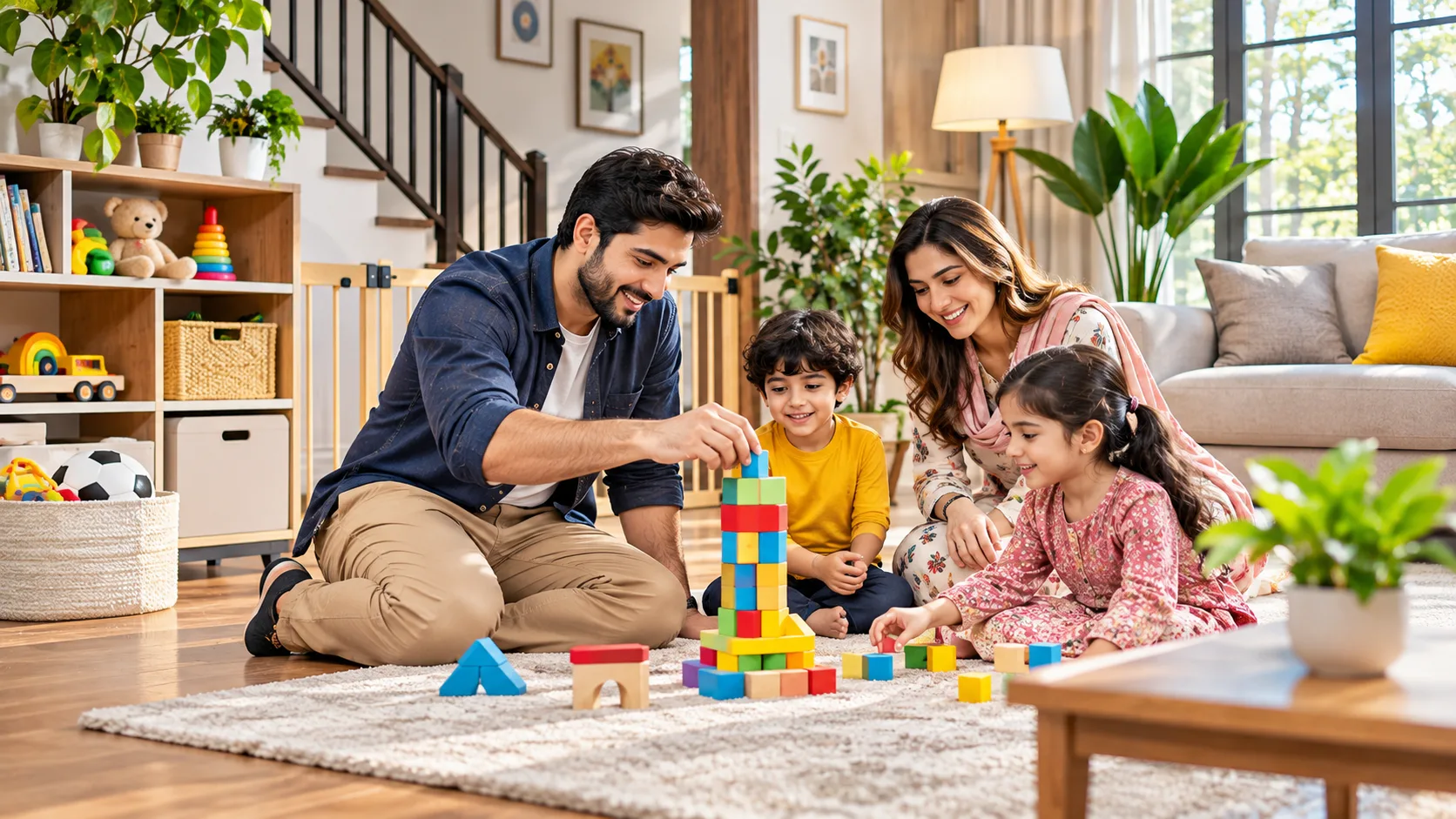
How to Make Your Home More Family-Friendly
Learning how to make your home more family-friendly can help you manage daily clutter, improve safety, and reduce household stress. When toys cover the floor and rooms lack proper organization, everyday tasks can become frustrating. Fortunately, you can solve these problems without spending thousands on home renovations.
What Makes a Home Family-Friendly?
A family-friendly home is a living space designed around the safety, comfort, and everyday needs of its occupants. It provides enough room for relaxation, learning, playing, and spending quality time together.
A well-designed home should balance safety, functionality, comfort, and personal space. Every room should serve a useful purpose while supporting your family’s changing needs.
How to Make Your Home More Family-Friendly in 12 Ways
Creating a welcoming living environment starts with understanding what your family needs most. Some households need better storage, while others require safer furniture or more space for shared activities.
The following twelve improvements can help you create a more practical and enjoyable home.
1. Create a Safe Living Environment
Safety should be the first priority when improving your family home. Start by identifying potential hazards in rooms where children spend most of their time.
Secure heavy furniture to walls, keep walkways clear, and store cleaning products and medications in locked cabinets. Use age-appropriate safety gates where needed and choose cordless window coverings.
Some essential safety improvements include:
- Secure bookshelves, dressers, and televisions.
- Install suitable child safety locks.
- Keep small choking hazards away from young children.
- Use properly installed smoke and carbon monoxide alarms.
- Keep electrical cords and outlets appropriately protected.
- Remove loose rugs that create tripping hazards.
Remember that childproofing supports safety but does not replace adult supervision.
2. Choose Comfortable and Durable Furniture
Family-friendly furniture should be comfortable, practical, and suitable for everyday use. Delicate materials may become difficult to maintain in households with young children or pets.
Choose sofas with washable covers, sturdy dining tables, and furniture made from easy-to-clean materials. Rounded furniture edges may also help reduce injuries from accidental bumps.
For example, a sofa with removable cushions and washable covers can make cleaning up everyday spills much easier.
Choose furniture based on everyday usefulness rather than appearance alone.
3. Make Better Use of Storage Space
Clutter can make a home feel smaller and more difficult to manage. Smart storage solutions help keep household belongings organized without taking up unnecessary space.
Use labeled baskets, storage drawers, cupboards, and under-bed storage containers. Give frequently used items a convenient place where family members can find them easily.
For example, a labeled basket for each child’s toys can make cleaning up simpler. It also encourages children to develop good organizational habits.
4. Design a Welcoming Family Living Room
The living room is often the main gathering space in a family home. It should provide comfortable seating and enough space for everyone to relax together.
Arrange furniture to encourage conversation rather than focusing everything around the television. Keep walking areas clear and provide suitable lighting for reading, playing, and other activities.
Adding soft cushions, family photographs, and washable rugs can make the room feel more personal and welcoming.
5. Create a Dedicated Play Area
Children need a suitable space where they can play, explore, and express their creativity. A dedicated play area can also help prevent toys from spreading throughout the entire house.
You do not need a separate playroom to achieve this. An unused corner of the living room can become a practical play space.
Add age-appropriate toys, accessible storage, and a comfortable play mat. Choose a location where adults can provide appropriate supervision.
6. Make Your Kitchen More Functional
A family-friendly kitchen should support cooking, food preparation, and shared meals. An organized layout makes these daily responsibilities easier to manage.
Keep frequently used everyday items in convenient locations. Store sharp utensils, cleaning products, and other hazardous items securely away from children.
Create an age-appropriate area for children to participate in supervised activities, such as arranging napkins or washing fruit.
A functional kitchen helps make everyday family routines easier and more enjoyable.
7. Improve Natural and Indoor Lighting
Good lighting can make your home feel brighter, more comfortable, and welcoming. It also improves visibility during everyday activities.
Open cordless blinds or curtains during the day to allow natural light into your rooms. Use suitable lamps and overhead lighting in darker areas.
Bedrooms may benefit from softer evening lighting, while kitchens and study areas need brighter task lighting.
Installing appropriate nightlights in hallways can also improve visibility after dark.
8. Create a Quiet Study Space
A dedicated study area can help children and teenagers focus on schoolwork without unnecessary distractions. It also provides a consistent place to keep educational materials organized.
Choose a quiet corner with a comfortable chair, suitable desk, and adequate lighting. Keep essential supplies within easy reach.
For example, a small desk in a bedroom or shared home office can provide a useful learning environment without requiring a separate room.
9. Make Bedrooms Comfortable and Relaxing
Bedrooms should provide a peaceful environment where family members can rest and recharge. Excessive clutter, bright lighting, and uncomfortable furniture can make relaxation more difficult.
Choose comfortable bedding, suitable storage, and calming decorations. Allow each family member to personalize their room according to their interests and preferences.
Teenagers may also appreciate a private area where they can read, study, or enjoy quiet time.
Personal space is just as important as shared family areas.
10. Create an Enjoyable Outdoor Space
A garden, backyard, or patio can provide additional space for family activities. Spending time outdoors allows household members to enjoy fresh air and a change of surroundings.
Consider adding comfortable seating, suitable plants, and a safe, supervised play area. Even a small outdoor space can become a pleasant place for family gatherings.
Keep outdoor areas free from hazardous materials and check that balconies, fencing, and play equipment are appropriately secured.
11. Choose Easy-to-Clean Materials
Maintaining a clean home becomes easier when surfaces and furnishings are designed for everyday use. Practical materials can reduce the time spent dealing with spills, stains, and dirt.
Consider washable wall paint, removable furniture covers, and flooring that is easy to maintain. Choose rugs with secure, non-slip backing.
For example, wipe-clean dining chairs may be more practical for a busy household than furniture covered in delicate fabrics.
12. Make Room for Family Activities
A welcoming home should encourage family members to spend meaningful time together. Shared spaces provide opportunities for conversations, games, meals, and creative activities.
Create a comfortable area for board games, reading, or watching movies together. A dining table can also serve as a gathering place for family discussions and supervised craft projects.
The goal is to create spaces that bring people together while respecting everyone’s need for personal time.
Room-by-Room Family-Friendly Home Ideas
Every room serves a different purpose. Making small improvements throughout your home can create a more organized and comfortable living environment.
The following table provides practical ideas for different areas.
| Room | Recommended Improvement | Main Benefit |
|---|---|---|
| Living room | Comfortable seating and clear walkways | Relaxation and safety |
| Kitchen | Organized cabinets and secure storage | Easier meal preparation |
| Bedroom | Comfortable bedding and storage | Better rest |
| Bathroom | Non-slip flooring and secure cabinets | Improved safety |
| Study area | Suitable desk and task lighting | Better concentration |
| Play area | Accessible toy storage | Less household clutter |
| Garden | Comfortable seating and safe play space | Outdoor family activities |
| Entryway | Shoe racks and storage hooks | Better organization |
Start with the rooms that cause the most difficulty during your daily routine.
Best Storage Solutions for Busy Families
An organized home can reduce the time spent searching for belongings and cleaning up unnecessary clutter. Effective storage should be simple enough for family members to use regularly.
Under-Bed Storage
The space beneath suitable beds can be used to store seasonal clothing, spare bedding, and other less frequently used belongings.
Storage boxes with lids help keep these items organized and protected from dust.
Multipurpose Furniture
Furniture with built-in storage can provide additional functionality without requiring extra floor space.
Storage benches, beds with drawers, and suitable storage ottomans are useful examples for smaller homes.
Wall-Mounted Storage
Properly installed shelves can provide extra storage while keeping floor areas clear.
Use them for books, decorative items, and belongings that do not require constant access. Ensure shelves are securely installed and positioned safely.
Labeled Storage Baskets
Labeled baskets make it easier for family members to identify where different items belong.
They are particularly useful for organizing toys, school supplies, laundry, and everyday household accessories.
Entryway Organizers
An organized entrance can prevent shoes, bags, and coats from spreading into other rooms.
A shoe rack, securely installed hooks, and a small storage bench can make coming and going more convenient.
Family-Friendly Home Ideas on a Budget
Creating a comfortable living environment does not always require expensive purchases. Many improvements involve reorganizing existing belongings or making small changes to your daily routines.
Start by identifying problems that can be solved without major renovations.
Here are some affordable home improvement ideas:
- Rearrange furniture to create more walking space.
- Donate belongings your family no longer needs.
- Reuse suitable storage containers.
- Add washable covers to existing furniture.
- Create a shared family activity corner.
- Organize clothing and toys using labeled baskets.
- Improve room lighting using existing lamps.
- Display family photographs and children’s artwork.
- Introduce a simple household cleaning routine.
Focus on practical improvements before spending money on decorative upgrades. Small changes can make your home feel noticeably more organized and comfortable.
How to Make a Small Home Suitable for Families
Living in a small house or apartment can create challenges when several people share limited space. However, thoughtful organization can make smaller homes more functional.
Use Vertical Space
Make better use of available wall space with appropriately installed shelves and storage units.
This can reduce the need for additional furniture and help keep frequently used areas clear.
Choose Multipurpose Furniture
Select furniture that performs more than one function.
For example, a dining table may also serve as a homework or craft station when it is not being used for meals.
Reduce Unnecessary Belongings
Regularly review household items and remove things that are no longer useful.
Keeping only necessary belongings makes storage easier and creates more usable space.
Create Separate Activity Zones
Different activities can share the same room without creating unnecessary confusion.
A small living room might include a reading corner, a supervised play area, and comfortable seating for family gatherings.
Keep Walkways Clear
Avoid placing unnecessary furniture or storage boxes in frequently used walking areas.
Clear pathways improve accessibility and help smaller rooms feel more spacious.
How to Create a Safe Home for Children
Child-friendly interior design involves more than adding colorful furniture and toys. It requires careful attention to potential household hazards.
Secure furniture that could tip over and use appropriate safety devices around stairs and windows. Keep hazardous household products locked away and choose age-appropriate furnishings and toys.
Install smoke alarms in bedrooms, outside sleeping areas, and on every level of the home. Carbon monoxide alarms should be installed according to safety recommendations and local requirements.
Pay attention to bathrooms, kitchens, and outdoor areas where additional supervision may be necessary.
Review your home’s safety arrangements regularly because children’s abilities and needs change as they grow.
How to Make Your Home Comfortable for Older Adults
A family-friendly home should support people of different ages and physical abilities. Older adults may benefit from improvements that make everyday movement easier and more comfortable.
Consider clear walking routes, adequate lighting, comfortable seating, and accessible storage. Secure loose rugs or remove them when they create tripping hazards.
Bathrooms may benefit from professionally installed grab bars and suitable non-slip surfaces. Frequently used household items should be stored in convenient locations.
For households with specific mobility requirements, professional accessibility assessments can help identify suitable home modifications.
Build Simple Family Routines
An organized home is easier to maintain when everyone understands their everyday responsibilities. Simple routines can reduce household stress without creating unnecessary pressure.
Encourage family members to participate in age-appropriate activities, such as organizing belongings, putting laundry away, or keeping shared spaces tidy.
Set aside time for shared meals, conversations, and enjoyable activities. Allow enough flexibility for school, work, hobbies, and personal relaxation.
A balanced household routine should support cooperation rather than expecting every room to remain perfectly clean.
Common Mistakes to Avoid
Many homeowners focus heavily on appearance while overlooking everyday functionality. This can result in spaces that look attractive but are difficult for families to use.
Another common mistake is purchasing too much furniture. Overcrowded rooms can reduce available space and make cleaning more difficult.
Some households also forget that family needs change over time. A room designed for a young child may require different features as that child becomes a teenager.
Avoid these common mistakes:
- Prioritizing decoration over comfort.
- Choosing furniture that is difficult to maintain.
- Ignoring household safety hazards.
- Providing insufficient storage space.
- Overcrowding rooms with unnecessary belongings.
- Forgetting the importance of personal privacy.
- Making expensive changes without identifying actual needs.
Design your home around the people who live in it, not just how it looks.
Benefits of Creating a Family-Friendly Home
A thoughtfully organized living environment can improve several aspects of everyday family life.
Improved Household Safety
Identifying and addressing common hazards can help reduce the risk of preventable household accidents.
Appropriate safety features also provide greater peace of mind for parents and caregivers.
Less Everyday Stress
Organized storage and practical room layouts make daily responsibilities easier to manage.
Family members can spend less time searching for belongings and more time enjoying their activities.
Better Family Connections
Comfortable shared spaces encourage conversations, meals, and enjoyable activities.
These everyday experiences create opportunities for family members to strengthen their relationships.
Easier Cleaning and Maintenance
Durable materials and effective storage solutions can simplify routine household cleaning.
A practical home does not require constant attention to remain comfortable and functional.
Greater Long-Term Flexibility
Adaptable furniture and room layouts make it easier to accommodate changing family needs.
This can reduce the need for frequent furniture replacements or expensive renovations.
Family-Friendly Home Improvement Checklist
Before making major changes, review your home’s current condition and identify areas that need attention.
| Improvement | Priority |
|---|---|
| Address household safety hazards | High |
| Check smoke and carbon monoxide alarms | High |
| Clear walking areas | High |
| Improve household storage | High |
| Improve room lighting | High |
| Create comfortable shared spaces | Medium |
| Establish a dedicated study area | Medium |
| Choose easy-to-clean furniture | Medium |
| Improve outdoor living areas | Optional |
| Update decorative accessories | Optional |
Complete the most important safety and functionality improvements first. Decorative changes can follow as your budget allows.
Conclusion
Understanding how to make your home more family-friendly begins with recognizing your household’s everyday needs. Creating safer rooms, improving storage, and choosing practical furniture can make daily life more comfortable and manageable.
You do not need a large budget or complete home renovation to achieve meaningful results. Simple changes such as clearing walkways, organizing belongings, improving lighting, and creating dedicated activity areas can make a significant difference.
Start with the spaces your family uses most and gradually make improvements throughout your home. A welcoming living environment is not about perfection. It is about creating a place where everyone feels safe, comfortable, respected, and connected.
FAQs
What makes a house family-friendly?
A family-friendly house provides a safe, comfortable, and functional living environment. It includes practical storage, accessible spaces, suitable furniture, and areas where family members can spend time together.
How can I make my home family-friendly on a budget?
Start by removing clutter, rearranging furniture, reusing storage containers, and improving existing spaces. Prioritize essential safety improvements before spending money on decorative items or expensive renovations.
How can I make a small home comfortable for a family?
Use multipurpose furniture, vertical storage, and separate activity zones. Keep walkways clear, reduce unnecessary belongings, and organize shared spaces according to your family’s everyday requirements.
What type of furniture is best for families?
Sturdy furniture with rounded edges, washable fabrics, and practical storage features is often suitable for families. Choose materials that are durable, comfortable, and easy to maintain.
How can I make my living room more child-friendly?
Create clear walking areas, secure heavy furniture, provide age-appropriate toy storage, and remove potential hazards. Use comfortable, washable furnishings and maintain appropriate supervision during play.

