

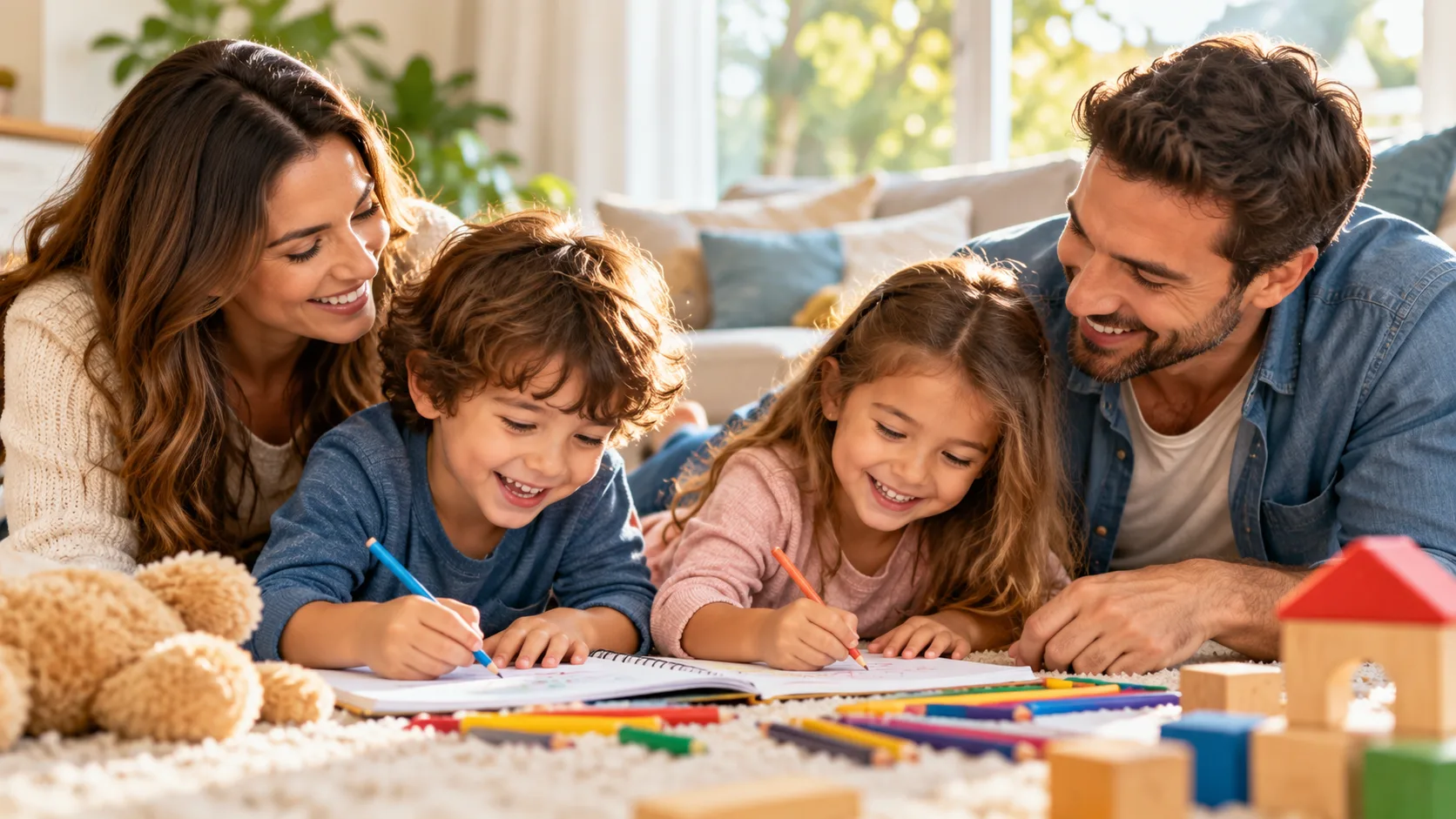
Every parent wants their children to grow up feeling happy, confident, and prepared to face life’s challenges. However, raising emotionally healthy children involves more than providing a comfortable home or meeting their basic needs. Children also need love, encouragement, clear boundaries, and opportunities to develop independence. These experiences help shape how they understand themselves and interact with others.
Learning how to raise happy and confident children is an ongoing journey that changes as children grow. Parenting approaches that work for toddlers may need adjustments during school years and adolescence. The goal is not to create children who never feel disappointed or afraid, but to help them develop the skills to manage emotions and approach challenges with confidence.
Positive parenting involves building trust, communicating openly, encouraging healthy habits, and supporting children’s individual interests. Small everyday interactions can influence how children develop confidence, emotional awareness, and a sense of belonging. This guide explores practical parenting strategies that can help families create supportive environments where children feel valued and develop important life skills.
Why Happiness and Confidence Matter in Childhood
Happiness and confidence contribute to children’s emotional well-being and influence how they approach everyday experiences. Children who feel supported are often more willing to explore new activities, develop friendships, and communicate their needs. A secure family environment can also provide reassurance when they encounter unfamiliar situations or challenges.
Confidence helps children recognize their abilities while understanding that learning takes time and effort. It does not mean believing they can succeed at everything immediately. Instead, healthy confidence involves trusting that they can practice, ask for help, and make progress even when something feels difficult.
Childhood happiness is also more complicated than feeling cheerful all the time. Children naturally experience sadness, frustration, disappointment, and worry as part of growing up. Parents can support emotional well-being by helping children understand these feelings rather than expecting them to remain positive in every situation.
Build a Strong Emotional Connection With Your Child
A strong emotional connection helps children feel secure, valued, and comfortable expressing themselves. Parents can strengthen this bond through affection, active listening, and consistent attention. Everyday interactions, such as sharing meals or talking about school, provide opportunities to show children that their thoughts and experiences matter.
Spending meaningful time together does not always require expensive activities or elaborate family plans. Reading a book, preparing a meal, or enjoying a short conversation can help create positive memories. The most important element is being present and showing genuine interest in the child’s experiences.
Children also benefit from knowing that parental love is not dependent on achievements or perfect behavior. They need reassurance that mistakes and difficult emotions do not change their value within the family. This sense of acceptance can support emotional security and encourage children to seek guidance when they need help.
Encourage Open and Honest Communication
Open communication allows children to share feelings, questions, and concerns without unnecessary fear of judgment. Parents can encourage this by listening carefully and responding with patience. When children feel heard, they may become more comfortable discussing challenges involving school, friendships, or everyday family life.
Ask questions that invite meaningful conversation rather than expecting only short answers. For example, asking what made a child laugh during the day may encourage more discussion than simply asking whether school was good. Allowing children time to explain their experiences also demonstrates respect for their perspectives.
Communication should remain supportive even when parents disagree with a child’s behavior or opinion. Calm explanations and age-appropriate boundaries help children understand expectations without feeling dismissed. Over time, respectful conversations can strengthen trust and teach children useful communication skills for relationships outside the home.
Help Children Develop Healthy Self-Esteem
Healthy self-esteem involves recognizing personal value without depending entirely on approval from others. Children develop this understanding through relationships, everyday experiences, and feedback from important adults. Parents can support self-esteem by treating children respectfully and recognizing their individual strengths and interests.
Avoid comparing children with siblings, classmates, or other family members. Comparisons can create unnecessary pressure and distract children from recognizing their own progress. Instead, focus on individual development and celebrate meaningful improvements without suggesting that worth depends on being better than someone else.
Parents can also encourage self-esteem by allowing children to express opinions and participate in suitable family decisions. When their contributions are taken seriously, children learn that their thoughts matter. This sense of belonging helps support a balanced understanding of personal abilities, limitations, and responsibilities.
Praise Effort and Progress Instead of Perfection
Encouragement can influence how children respond to learning opportunities and unfamiliar challenges. Praising effort, persistence, and thoughtful strategies helps children understand that improvement often requires practice. This approach can be more useful than repeatedly focusing only on grades, awards, or successful outcomes.
For example, parents might recognize how patiently a child worked through a difficult assignment. They could also acknowledge creative problem-solving or the willingness to try again after making a mistake. Specific encouragement helps children understand which actions contributed to their progress.
However, praise should remain genuine rather than becoming constant or exaggerated. Children benefit from realistic feedback that recognizes both effort and areas where improvement is possible. Balanced encouragement supports confidence while helping children develop a practical understanding of learning and personal growth.
Teach Children How to Understand Their Emotions
Emotional awareness is an important part of healthy childhood development. Children experience many feelings but may not always have the language or skills to explain them. Parents can help by naming emotions and discussing what different feelings mean in age-appropriate ways.
When a child becomes frustrated, parents can acknowledge the feeling before discussing possible solutions. For example, explaining that disappointment is understandable can help the child feel heard. This does not mean allowing every behavior, but it creates a supportive starting point for teaching emotional regulation.
Children can gradually learn healthy ways to manage difficult emotions, including taking breaks, talking with trusted adults, or using calming activities. Parents who demonstrate respectful emotional expression provide useful everyday examples. Over time, these experiences can help children respond more thoughtfully to stressful situations.
Give Children Age-Appropriate Independence
Independence helps children develop confidence by allowing them to practice making decisions and managing responsibilities. Younger children might choose between suitable clothing options or help organize their toys. Older children can gradually take responsibility for homework schedules, personal belongings, and appropriate household tasks.
Parents should provide guidance while allowing room for learning. Completing every task for a child may prevent opportunities to practice problem-solving and develop useful skills. Small responsibilities help children recognize that they can contribute meaningfully to everyday family life.
The level of independence should reflect each child’s abilities, maturity, and safety needs. Parents can introduce new responsibilities gradually and provide support when necessary. This balanced approach encourages confidence without expecting children to manage situations beyond their current capabilities.
Create a Positive and Supportive Home Environment
A supportive home environment helps children feel comfortable, respected, and secure. Consistent routines, warm communication, and predictable expectations can contribute to emotional stability. Children often benefit from knowing what to expect during everyday activities such as meals, school preparation, and bedtime.
Family relationships also influence the emotional atmosphere at home. Parents can demonstrate respect by resolving disagreements calmly and acknowledging mistakes when they occur. These behaviors teach children that relationships require patience, understanding, and communication rather than constant agreement.
A positive environment does not mean that every family member must always feel happy. Challenges and disagreements are normal parts of family life. The important factor is creating a space where people can express emotions appropriately, receive support, and work together to solve problems.
Set Clear Boundaries With Kindness and Respect
Children need boundaries to understand expectations, develop responsibility, and navigate relationships safely. Clear rules provide structure while helping children learn how their actions affect others. Boundaries work best when they are consistent, reasonable, and explained in language appropriate for the child’s age.
Parents can establish expectations for behavior, screen use, household responsibilities, and respectful communication. When rules are broken, responding calmly and using proportionate consequences can encourage learning. Explaining why a rule exists helps children understand its purpose rather than simply following instructions out of fear.
Kindness and firmness can work together in effective parenting. Parents do not need to abandon important boundaries to show empathy, and discipline should not involve humiliation or intimidation. Respectful guidance helps children develop self-control while maintaining trust in their caregivers.
Encourage Children to Try New Things
Trying new activities helps children discover interests, develop skills, and become more comfortable with unfamiliar experiences. Opportunities might include learning a musical instrument, participating in sports, exploring art, or joining a school club. Different experiences allow children to understand what they enjoy and where they might want to improve.
Some children approach unfamiliar activities enthusiastically, while others need more time and reassurance. Parents can encourage exploration without forcing participation or expecting immediate success. Offering choices and explaining what to expect may help children feel more comfortable considering something new.
Not every activity needs to become a long-term commitment or result in outstanding performance. Sometimes the greatest benefit comes from discovering a new interest or learning that a particular activity is not enjoyable. Supporting curiosity helps children understand that exploration and learning are valuable experiences.
Help Children Learn From Mistakes and Failures
Mistakes are a normal part of learning, and children benefit from understanding that setbacks do not define their abilities. Whether struggling with schoolwork or losing a game, disappointing experiences can create opportunities for reflection. Parents can provide reassurance while helping children consider what might work differently next time.
Avoid immediately solving every problem or criticizing children for unsuccessful attempts. Instead, encourage them to explain what happened and identify possible improvements. Asking thoughtful questions can help children develop problem-solving skills and recognize that progress often involves several attempts.
Parents can also share age-appropriate examples of their own mistakes and learning experiences. This demonstrates that adults continue developing skills throughout life. When children see setbacks as manageable rather than permanent failures, they may become more willing to approach future challenges.
Support Healthy Friendships and Social Skills
Friendships play an important role in children’s emotional development because they provide opportunities to practice communication, cooperation, and empathy. Through positive social experiences, children learn how to share interests, understand different perspectives, and resolve disagreements. Supportive friendships can also contribute to a sense of belonging.
Parents can help children develop social skills by modeling kindness and respectful communication. Discussing friendship situations without immediately judging others can encourage thoughtful decision-making. Children may also benefit from opportunities to participate in group activities that match their interests and comfort levels.
Not every friendship will be easy, and occasional disagreements are part of social learning. Parents can provide guidance while allowing children appropriate opportunities to work through manageable problems. When situations involve persistent bullying or unsafe behavior, adult intervention becomes important for protecting the child’s well-being.
Spend Quality Family Time Together
Quality family time creates opportunities for connection and positive shared experiences. Everyday activities such as cooking, walking, reading, or playing games can help strengthen relationships. These moments allow children and caregivers to enjoy being together without focusing entirely on responsibilities or achievements.
Family traditions can also support a sense of stability and belonging. Weekly game nights, shared meals, or seasonal outings provide familiar experiences that children may look forward to. The activities do not need to be expensive or complicated to become meaningful parts of family life.
Parents should also recognize that children have different interests and preferences. Allowing them to suggest activities can make family time more engaging and inclusive. Balancing shared experiences with appropriate personal space helps children feel connected while developing their own identities.
Teach Gratitude, Kindness, and Empathy
Gratitude and empathy help children appreciate positive experiences and understand how other people may feel. Parents can encourage these qualities through everyday conversations, thoughtful actions, and respectful family relationships. Simple habits, such as thanking someone for assistance, provide opportunities to practice consideration for others.
Children also learn empathy by observing how adults respond to people facing difficulties. Discussing different perspectives can help them understand that others may have feelings or experiences different from their own. Books, stories, and age-appropriate conversations can provide useful opportunities to explore these ideas.
Teaching kindness does not mean expecting children to ignore their own needs or agree with everyone. Healthy empathy includes respecting personal boundaries and recognizing when to ask for support. Helping children balance kindness with self-respect contributes to stronger relationships and more thoughtful social behavior.
Encourage Physical Activity and Healthy Daily Habits
Healthy daily habits support children’s physical development, emotional well-being, and ability to participate in everyday activities. Regular movement, adequate sleep, and balanced meals are important parts of childhood health. Parents can encourage these habits by creating practical family routines rather than focusing on strict expectations.
Physical activity can include outdoor games, cycling, dancing, swimming with appropriate supervision, or other enjoyable movement. Children are more likely to participate consistently when activities match their interests and abilities. The emphasis should remain on enjoyment, learning, and overall health rather than appearance or athletic comparison.
Sleep and daily routines also influence mood, attention, and energy. Consistent bedtimes and opportunities to rest can help children manage busy schedules. Families should adapt routines to individual needs and seek professional guidance when persistent health or developmental concerns arise.
Manage Screen Time and Digital Experiences
Digital technology provides opportunities for education, communication, creativity, and entertainment. However, excessive or poorly managed screen use may interfere with sleep, physical activity, or face-to-face interactions. Parents can support healthy digital habits by establishing reasonable expectations based on age and individual needs.
Instead of focusing only on the number of minutes spent online, consider the quality and purpose of digital activities. Educational projects, creative hobbies, and communication with friends may offer different benefits from passive scrolling. Discussing online experiences helps children develop awareness of digital privacy and responsible technology use.
Parents can also model balanced habits by creating screen-free opportunities during meals or shared family activities. Clear expectations around bedtime and age-appropriate content may help maintain healthy routines. Open communication is important so children feel comfortable seeking help when they encounter upsetting or confusing online experiences.
Avoid Comparing Your Child With Others
Children develop at different rates, and comparisons can create unnecessary pressure around achievements, abilities, or personal characteristics. Statements that repeatedly measure one child against another may affect confidence and family relationships. Parents can support healthier development by recognizing individual strengths and learning needs.
Academic performance, social confidence, and personal interests vary widely between children. One child may enjoy reading, while another prefers creative projects or physical activities. These differences do not mean one child is inherently more capable or valuable than another.
Focus on personal progress instead of rankings or competition. Parents can discuss realistic goals and celebrate improvements that matter to the individual child. This approach encourages children to recognize their own abilities while respecting the achievements and interests of others.
Be a Positive Role Model for Your Children
Children learn many behaviors by watching how adults respond to everyday situations. Parents influence communication habits, emotional expression, problem-solving, and relationships through their actions. Demonstrating patience, honesty, and respect can provide meaningful examples that children gradually incorporate into their own behavior.
Adults do not need to behave perfectly to serve as positive role models. Acknowledging mistakes, apologizing sincerely, and making reasonable changes can teach children important lessons about responsibility. These experiences show that personal growth continues throughout life and that repairing relationships is possible.
Parents can also model healthy boundaries and self-care by managing responsibilities and asking for support when necessary. Children benefit from seeing adults approach challenges realistically rather than pretending every problem has an immediate solution. Consistent examples often communicate important values more effectively than repeated instructions alone.
Support Your Child’s Individual Interests and Personality
Every child has a unique combination of interests, abilities, preferences, and personality traits. Some enjoy social activities and group experiences, while others prefer quiet hobbies or independent projects. Supporting these differences helps children feel accepted rather than pressured to match a particular expectation.
Parents can learn about their children’s interests by asking questions and observing which activities create genuine enthusiasm. Providing suitable opportunities to explore hobbies encourages curiosity and skill development. However, children should also have the freedom to change interests as they grow and discover new possibilities.
Recognizing individuality does not mean removing every expectation or responsibility. Children still benefit from guidance, structure, and opportunities to develop new skills. The goal is to support growth while respecting their developing identities and helping them make thoughtful choices.
How to Raise Emotionally Resilient Children
Emotional resilience is the ability to adapt and recover after experiencing challenges, disappointment, or stressful situations. Children develop resilience through supportive relationships and opportunities to practice coping skills. It does not mean avoiding difficult emotions or expecting children to handle every problem independently.
Parents can support resilience by listening to concerns and helping children identify manageable next steps. Encouraging problem-solving while offering reassurance allows children to practice facing challenges with appropriate support. Small experiences of overcoming difficulties can help build confidence in their ability to learn and adapt.
Resilience also involves knowing when to seek help. Children should understand that asking a trusted adult for support is a strength rather than a failure. When emotional difficulties become persistent or significantly affect daily life, guidance from a qualified professional may be helpful.
Conclusion
Learning how to raise happy and confident children involves creating a supportive environment where children feel loved, respected, and encouraged to grow. Strong relationships, open communication, and clear boundaries provide an important foundation for healthy development. Parents can also support confidence by recognizing effort, encouraging independence, and helping children understand their emotions.
Happiness does not mean protecting children from every disappointment or expecting constant positivity. Children need opportunities to learn from mistakes, explore interests, build friendships, and manage challenges with appropriate support. Everyday experiences can help them develop emotional awareness, problem-solving abilities, and a balanced understanding of themselves.
Every family is different, and effective parenting strategies should reflect each child’s age, personality, and needs. Small, consistent actions often matter more than trying to follow a perfect parenting formula. By combining affection, patience, guidance, and respect, parents can help children develop the confidence and emotional skills needed for a fulfilling life.
Frequently Asked Questions (FAQs)
What makes a child happy and confident?
Supportive relationships, emotional security, encouragement, and opportunities to develop independence can contribute to childhood happiness and confidence. Children also benefit from clear boundaries, healthy routines, and feeling valued regardless of their achievements.
How can parents improve a child’s self-confidence?
Parents can support confidence by recognizing effort, encouraging age-appropriate decisions, and allowing children to learn from mistakes. Avoiding comparisons and providing genuine encouragement also help children develop a healthy understanding of their abilities.
What parenting style helps raise confident children?
A warm, responsive parenting approach with clear and consistent boundaries is associated with positive developmental outcomes. Children generally benefit when caregivers combine emotional support with reasonable expectations and opportunities for independence.
How do you raise emotionally strong children?
Help children identify emotions, practice healthy coping strategies, and solve manageable problems with appropriate guidance. Encourage them to ask for help when needed and explain that setbacks are normal opportunities for learning.
What should parents avoid when raising children?
Parents should avoid frequent comparisons, harsh criticism, unrealistic expectations, and dismissing children’s emotions. Instead, focus on respectful communication, consistent guidance, realistic encouragement, and supporting each child’s individual development.

